
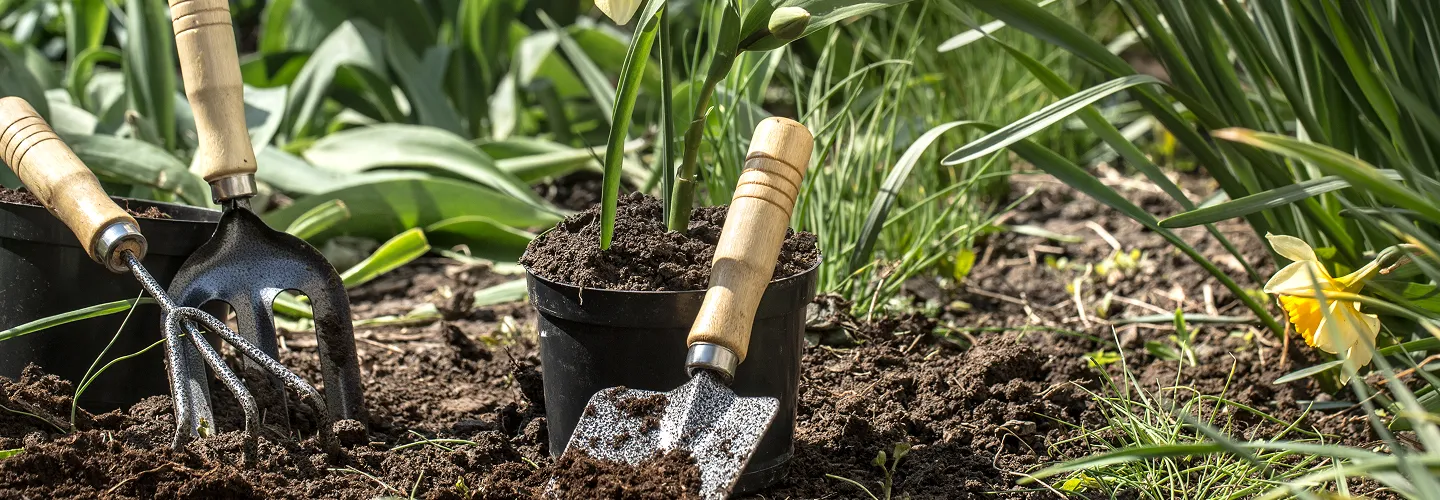
Rosenberg Flower Planting Services
Choose our flower planting services for vibrant, expertly arranged blooms that enhance your curb appeal and thrive in Rosenberg’s unique climate—bringing lasting beauty to your home or business.
Get a Free QuoteOur Rosenberg Landscaping & Yard Care Services
When to Schedule Flower Planting in Rosenberg, Texas – Seasonal Guide
Flower planting in Rosenberg, Texas, is best scheduled with careful attention to our region’s unique climate and landscape. The ideal planting windows are typically early spring (late February to early April) and early fall (late September to mid-October), when temperatures are moderate and rainfall is more predictable. These periods allow new blooms to establish strong roots before the intense summer heat or occasional winter chills set in. Neighborhoods near Seabourne Creek Park and the historic downtown area often experience slightly different microclimates, so it’s important to consider your specific location.
Local environmental factors play a significant role in determining the best time for planting. Rosenberg’s last frost date usually falls in early March, but unexpected cold snaps can occur, especially in shaded areas like those near Brazos Park. Soil composition varies across the city, with some areas having heavier clay that retains moisture, while others—such as the River Run and Summer Lakes communities—may have sandier, well-draining soils. Humidity levels, drought risk, and municipal watering restrictions (which can be found on the official city website) also influence planting success. By considering these local details, you can ensure your flower beds thrive throughout the season.
Local Factors to Consider for Flower Planting in Rosenberg
- Proximity to large trees and shade coverage
- Soil type (clay vs. sandy)
- Neighborhood microclimates (e.g., near Seabourne Creek Park)
- Average precipitation and drought risk
- Municipal watering restrictions
- Terrain and drainage patterns
Benefits of Flower Planting in Rosenberg
Expert Local Knowledge
Customized Landscape Designs
Seasonal Plant Selection
Enhanced Curb Appeal
Eco-Friendly Practices
Reliable Maintenance Services
Rosenberg Flower Planting Types

Annual Flower Beds
Seasonal blooms that provide vibrant color throughout the year.
-
Perennial Gardens
Long-lasting flowers that return each season with minimal maintenance.
-
Native Plant Landscapes
Utilizing local species for sustainable and eco-friendly gardens.
-
Pollinator-Friendly Plantings
Flower selections designed to attract bees, butterflies, and other pollinators.
-
Shade Garden Flowers
Specialized plantings for areas with limited sunlight.
-
Container Flower Arrangements
Versatile flower displays perfect for patios, decks, and entryways.
-
Drought-Tolerant Flower Beds
Low-water plantings ideal for conserving resources and thriving in dry conditions.
Our Flower Planting Process
Site Evaluation
Soil Preparation
Plant Selection
Careful Planting
Watering and Mulching
Why Choose Rosenberg Landscape Services
-
Rosenberg Homeowners Trust Us
-
Expert Lawn Maintenance
-
Competitive Pricing
-
Professional Team
-
Satisfaction Guarantee
-
Personalized Service
-
Reliable Scheduling
Soil Series and Drainage Considerations for Flower Planting in Rosenberg
Rosenberg’s predominant soils, including the Lake Charles clay and Bernard clay loam series, present unique challenges for flower planting due to their high clay content, slow permeability, and tendency toward compaction. These soils typically exhibit pH values ranging from 7.2 to 8.0, which can limit nutrient availability for many ornamental species. Proper site preparation is essential, including the incorporation of 2-3 inches of compost tilled to a 6-inch depth to improve drainage and structure. Soil testing is recommended through the Texas A&M AgriLife Extension (typical cost: $15-25) to determine amendment needs. For optimal results, select species tolerant of heavy, alkaline soils and consider raised beds in poorly drained areas. Research local soil characteristics using the USDA Web Soil Survey for site-specific recommendations.
Rosenberg Public Works Department
2220 4th Street, Rosenberg, TX 77471
Phone: (832) 595-3300
Official Website: Rosenberg Public Works Department
Seasonal Timing and Climate Zone Guidance for Rosenberg Flower Planting
Rosenberg is located in USDA Hardiness Zone 9a, with average annual minimum temperatures of 20-25°F. The optimal window for planting most annual and perennial flowers is from February 15 to April 15, when soil temperatures reach 55°F and the risk of frost has passed. Fall planting of hardy perennials is best completed between October 1 and November 15. Avoid planting during the peak summer months (June-August) due to high heat stress and increased irrigation demands. Monitor local weather conditions using the National Weather Service Houston/Galveston Office. Key timing guidelines include:
- Spring planting: February 15 – April 15 (soil temp ≥ 55°F)
- Fall planting: October 1 – November 15
- Avoid: June-August (heat stress period)
- Water newly planted flowers 1 inch per week, adjusting for rainfall
Rosenberg Municipal Regulations and Permit Requirements for Landscape Planting
Flower planting projects in Rosenberg must comply with city ordinances regarding right-of-way encroachments, sightline requirements at intersections, and protected area setbacks. Planting within 10 feet of public sidewalks or utility easements requires review by the city’s Building Permits and Inspections office. For projects adjacent to wetlands or drainage channels, maintain a minimum 25-foot buffer to comply with MS4 stormwater regulations under the Clean Water Act. Permit applications for landscape modifications in public spaces typically require a $50 fee and a 10-business-day review period. Prohibited practices include planting invasive species and obstructing stormwater flow. For detailed requirements, consult:
Rosenberg Building Permits and Inspections
2220 4th Street, Rosenberg, TX 77471
Phone: (832) 595-3500
Official Website: Rosenberg Building Permits and Inspections
Environmental Compliance: Stormwater, Buffer Zones, and State Regulations
All flower planting in Rosenberg must adhere to environmental standards set by the Texas Commission on Environmental Quality (TCEQ) and the city’s Storm Water Management Program. The city operates under an MS4 permit, which prohibits the discharge of soil, mulch, or plant debris into storm drains. Maintain a 25-foot no-disturbance buffer from wetlands and drainage ditches, and avoid fertilizer or pesticide application within 50 feet of water bodies. Use only TCEQ-approved products and follow label rates. For additional guidance, reference the Texas Water Code and the EPA Region 6 office. Compliance steps include:
- No debris in storm drains (MS4 requirement)
- 25-foot wetland/drainage buffer
- 50-foot setback for chemical applications
- Use only approved products
Rosenberg Storm Water Management Program
2220 4th Street, Rosenberg, TX 77471
Phone: (832) 595-3300
Official Website: Rosenberg Storm Water Management Program
Texas Commission on Environmental Quality
12100 Park 35 Circle, Austin, TX 78753
Phone: (512) 239-1000
Official Website: Texas Commission on Environmental Quality
Selecting Flower Species Suited to Rosenberg’s Urban and Environmental Conditions
Successful flower planting in Rosenberg requires careful selection of species adapted to the city’s clay soils, alkaline pH, and hot, humid summers. Recommended species for full sun include black-eyed Susan (Rudbeckia hirta), lantana (Lantana camara), and daylily (Hemerocallis spp.). For partial shade, consider Turk’s cap (Malvaviscus arboreus), caladium (Caladium bicolor), and hosta (Hosta spp.). Native and drought-tolerant options such as purple coneflower (Echinacea purpurea) and Gulf Coast penstemon (Penstemon tenuis) are preferred for sustainability and reduced irrigation needs. Plant spacing should be 12-18 inches for annuals and 18-24 inches for perennials to ensure healthy growth and airflow. For further guidance, consult the Texas A&M AgriLife Extension for regionally appropriate plant lists and maintenance recommendations.
What Neighborhoods Do We Serve Throughout Rosenberg, TX?
- Cottonwood: Characterized by expansive clay soils and moderate drainage, requiring soil amendment for optimal flower bed establishment. Large lot sizes allow for diverse planting schemes.
- River Run: Proximity to the Brazos River and floodplain areas necessitates careful species selection for flood tolerance and adherence to buffer zone regulations.
- Seabourne Meadows: Newer development with compacted fill soils and limited mature tree cover, presenting challenges for root establishment and requiring raised beds or soil conditioning.
- Bayou Crossing: Located near drainage channels and wetlands, this area requires strict compliance with MS4 stormwater regulations and maintenance of 25-foot vegetative buffers.
- Walnut Creek: Features mature landscaping and established shade trees, making shade-tolerant and deer-resistant species important for successful flower planting.
- The Oaks of Rosenberg: Subdivision with HOA landscaping standards and irrigation restrictions, necessitating drought-tolerant and low-maintenance plant choices.
- Briarwood Crossing: Noted for smaller lot sizes and higher density, requiring careful planning for plant spacing and compliance with city setback requirements.